
Palo Alto has more data breaches, more security startups, and more cybersecurity hiring than almost any other state in the country. And yet, most high school students interested in the field spend their summers watching YouTube tutorials and listing "self-taught" on their applications.
That gap is the opportunity.
The students who close it are the ones who find programs where they actually build something. A real tool. A working system. Something they can demonstrate, not just describe. This list is for those students.
Top 10 Summer Programs for Cybersecurity-Focused Students in Palo Alto
1. BetterMind Labs AI Program
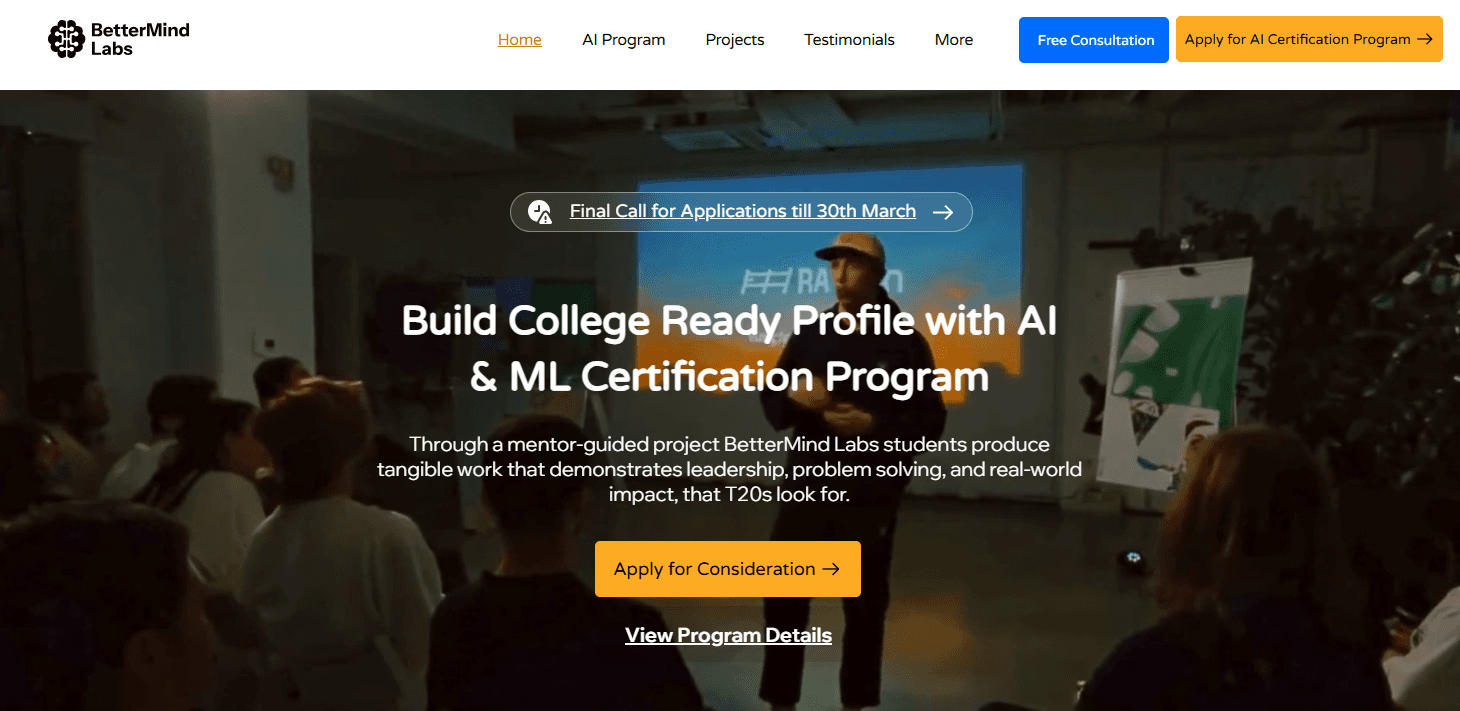
BetterMind Labs tops this list because it emphasizes AI production work, not classroom simulation. Students build real systems during 4-week summer cohorts, fully online, with a 1:3 expert-to-student mentorship ratio. Cybersecurity-focused students have used the program to build threat detection dashboards, malware classification pipelines, and AI-powered security tools.
What students build:
- Healthcare prediction systems
- Finance risk models
- Machine learning pipelines
- AI dashboards and deployment-ready tools
Admissions advantage:
- Portfolio-ready projects
- Capstone documentation
- Strong Letter of Recommendation support
2. UC San Diego Summer Security Research Program (REHS)
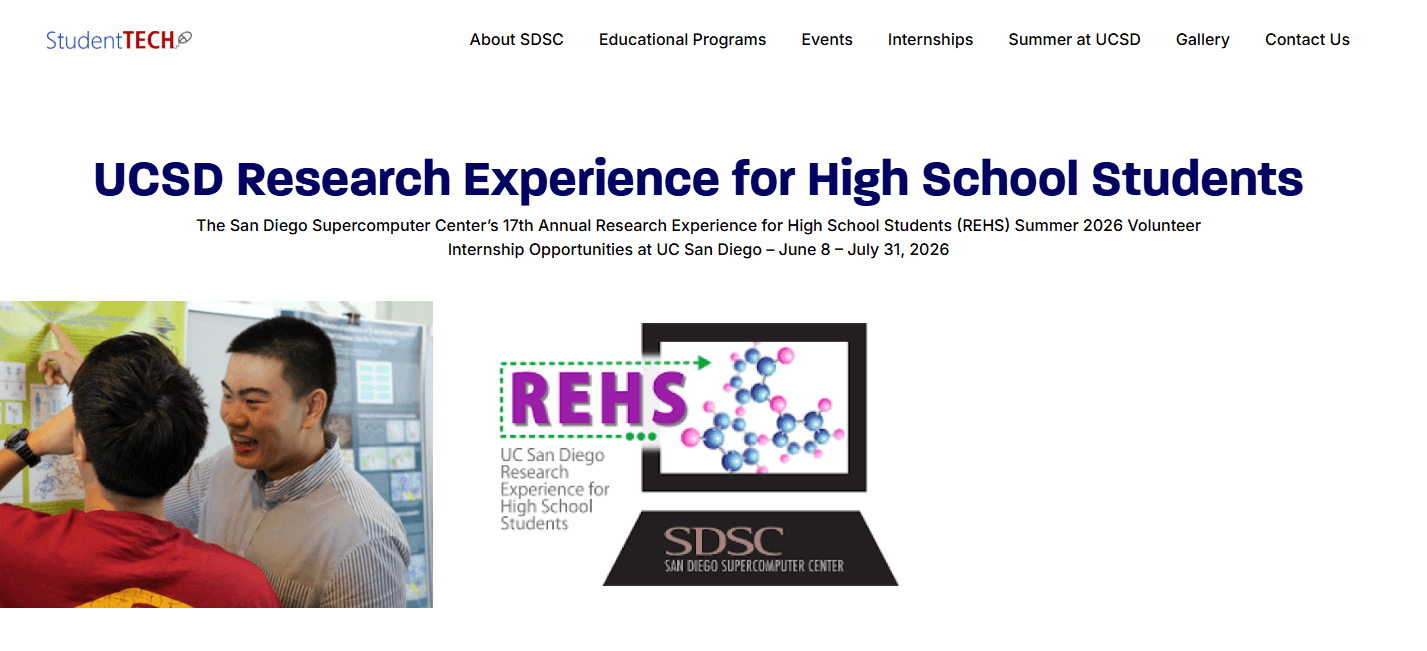
Run through the San Diego Supercomputer Center, this program places high school students alongside UCSD researchers in cybersecurity and data science. Highly competitive, with outcomes that include published abstracts and poster presentations. Strong signal for UC system applicants.
3. GenCyber Camp (California Chapters)
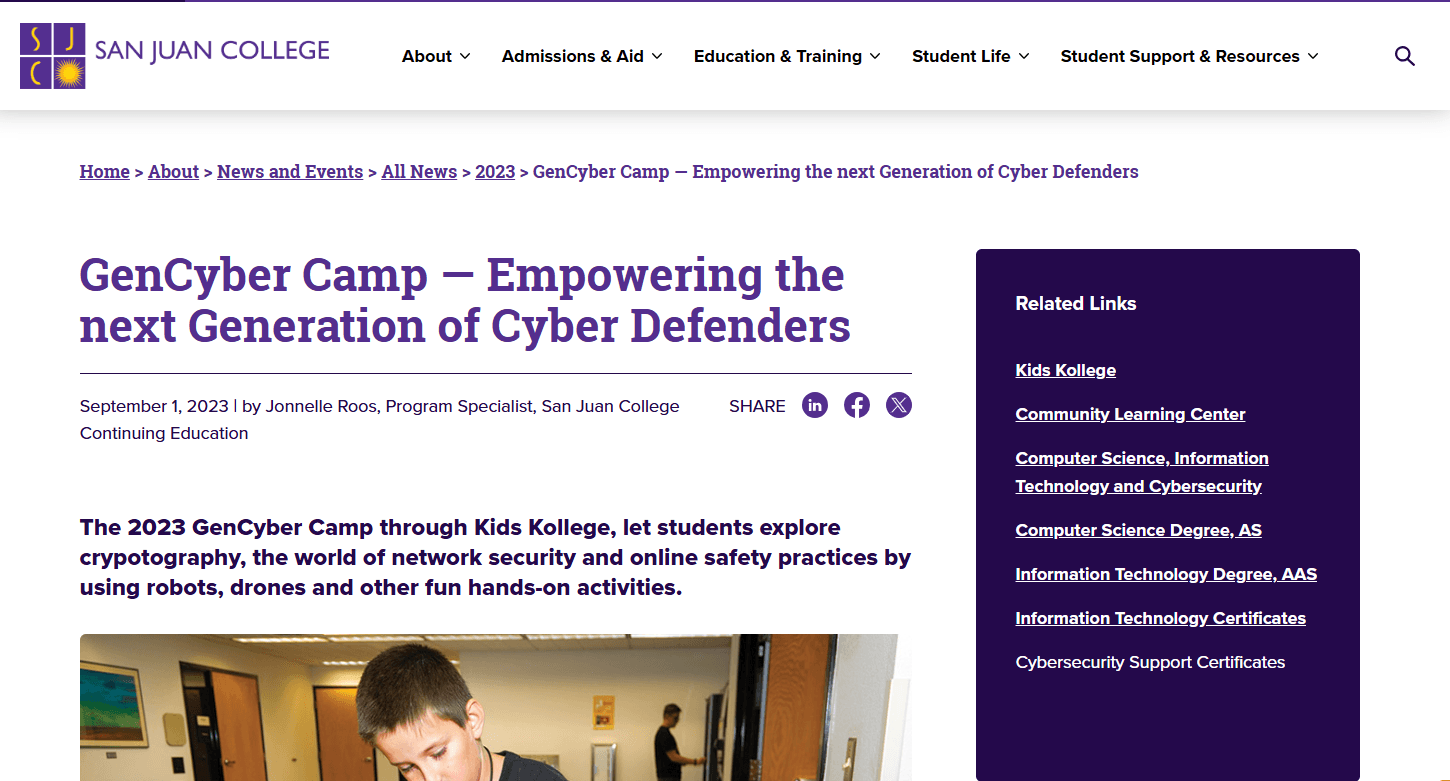
NSA and NSF-funded camps offered through Palo Alto universities including Cal Poly, CSU campuses, and UC schools. Free for accepted students. Covers network defense, ethical hacking, and cryptography. A solid entry point for students new to security who want structured foundational exposure before applying to more competitive programs.
4. Stanford Pre-Collegiate Summer Institutes (CS/Security Track)
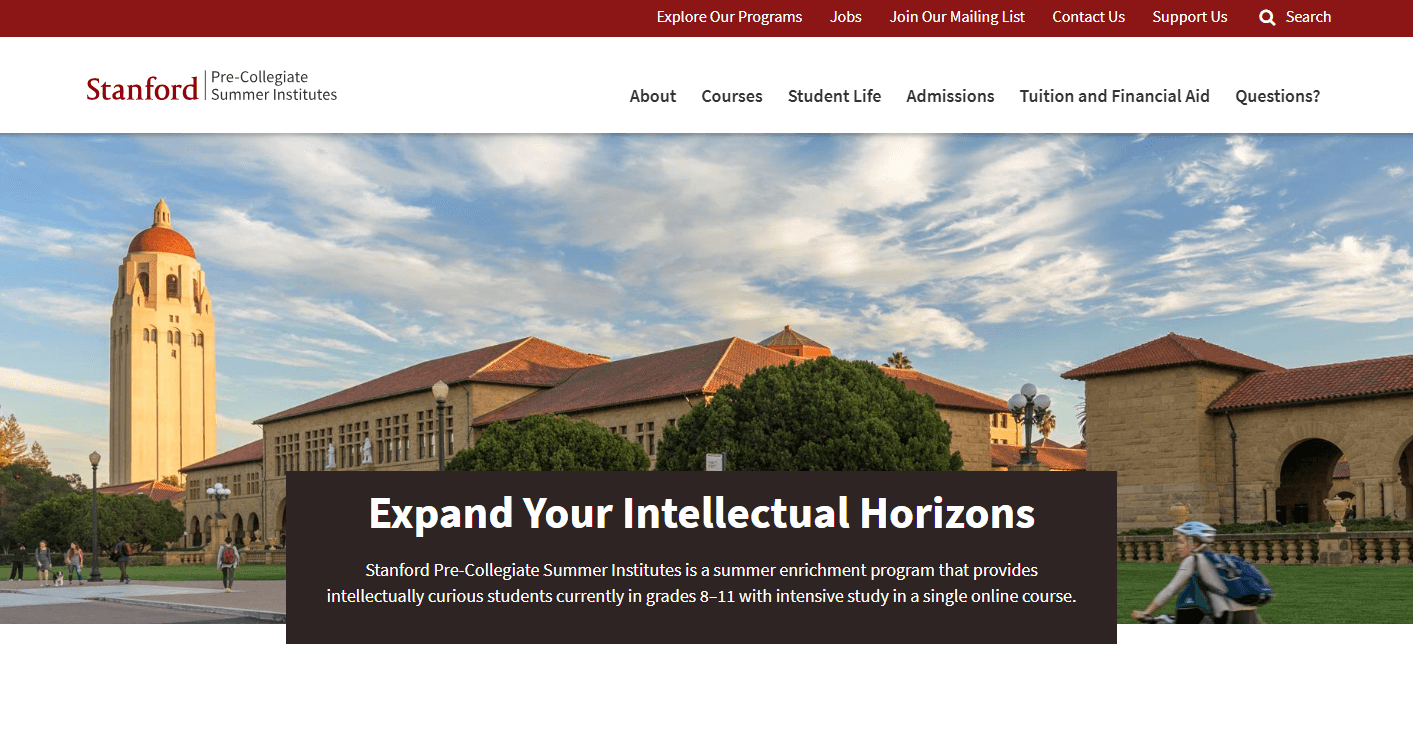
Stanford's pre-collegiate programs run security-adjacent tracks within their CS and AI institutes. Competitive, on-campus, and well-regarded by admissions readers. Students who get in carry a strong institutional name alongside real coursework.
5. CyberPatriot Summer Workshops
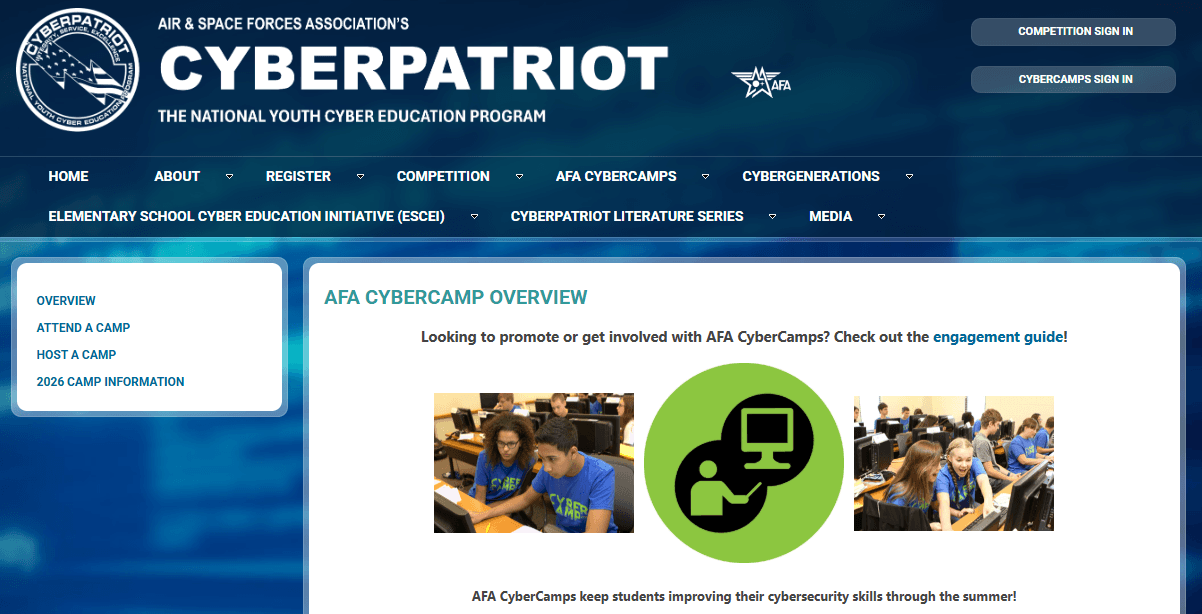
The Air Force Association's CyberPatriot program runs summer workshops focused on defending operating systems and infrastructure. Windows and Linux system defense, with a clear pathway to the national CyberPatriot competition. Available through many Palo Alto high school chapters and one of the few programs with a legitimate national ranking attached.
6. Girls Who Code Summer Immersion Program
Competitive summer program with cybersecurity and systems tracks. Strong alumni network, Palo Alto host sites available, and includes web security and data privacy modules. Ends with portfolio and presentation components. Good for students who want both technical depth and community.
7. NCSA (National Cyber Scholarship Foundation) Prep Courses
Self-paced but structured courses that prepare students for certifications like CompTIA Security+. Best for students who are already self-directed and have a CS foundation. Standout performers can qualify for scholarship pathways. Not a summer camp, but a serious credential-building track worth including here.
For students exploring AI and tech internships more broadly, this guide on Top 7 Internships for High Schoolers in AI and Tech is worth reading alongside this one.
8. iD Tech Camps (Cyber Defense Track)
Offered on multiple Palo Alto university campuses including UCLA, Stanford, USC, and UC Berkeley. Week-long cybersecurity camps covering ethical hacking and network security basics. Accessible and not highly selective, making it a reasonable first step before applying to more rigorous programs.
9. UCSB Research Mentorship Program (RMP)
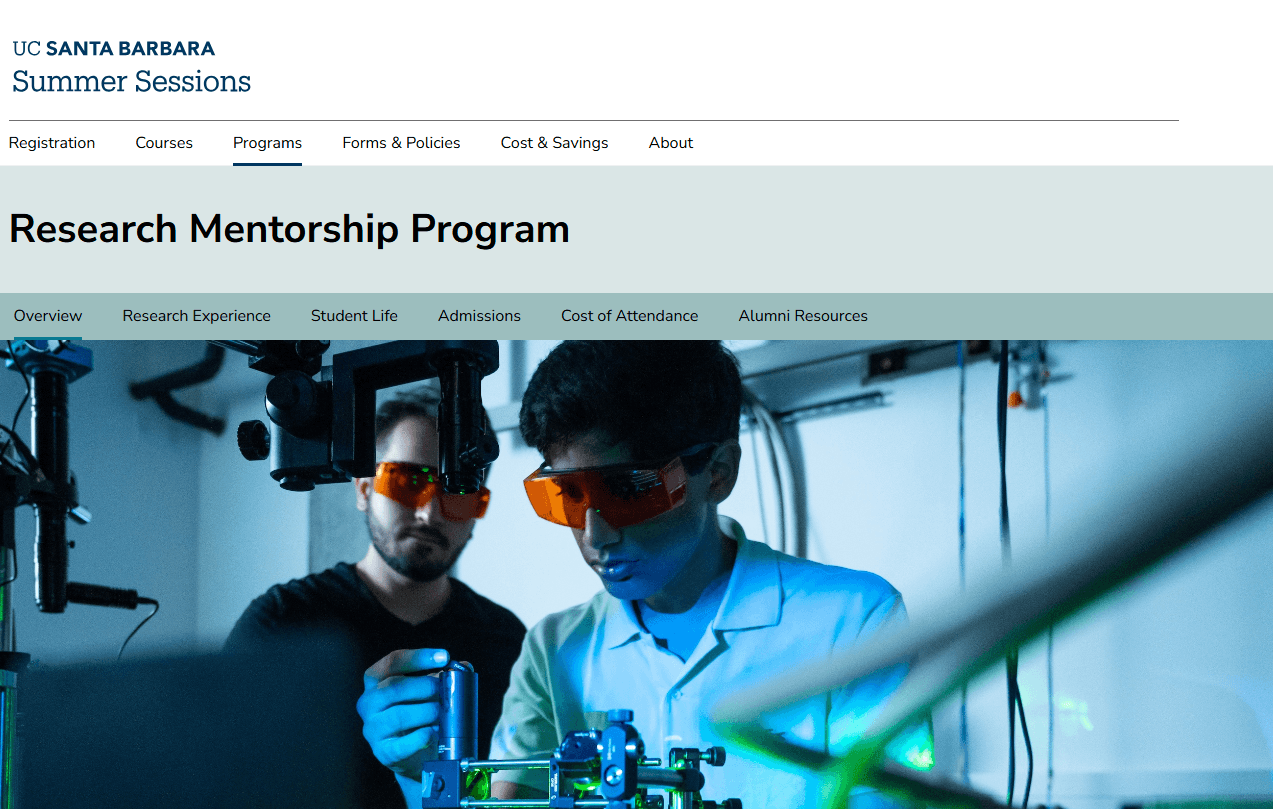
A six-week program at UC Santa Barbara that places high school students in active research labs. Some tracks overlap with security, privacy, and applied CS. Selective, with a research paper component and residential option available. Strong admissions signal, particularly for UC applicants.
10. Cybersecurity Summer Institute at Cal Poly SLO
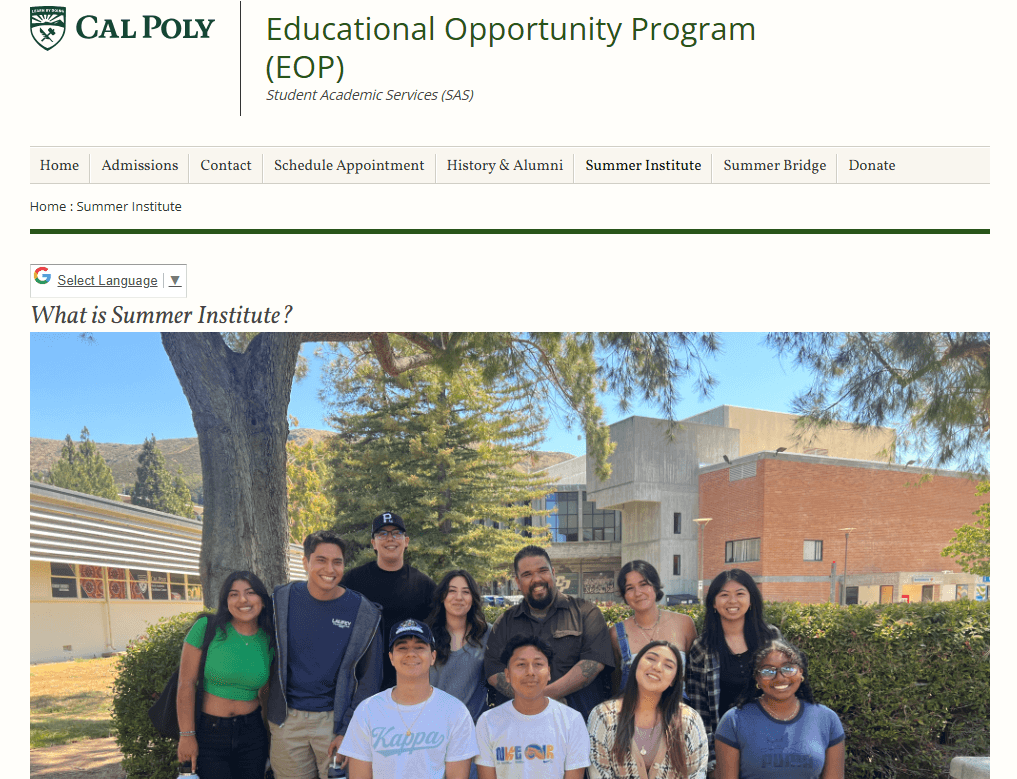
Hands-on program run by Cal Poly's CS department covering phishing simulations, vulnerability analysis, and network forensics. Project-based with a culminating activity. Good fit for students in the Palo Alto region who want an in-person, university-hosted experience.
What Separates the Programs That Actually Matter
Not all summer programs are equal. Most teach concepts. A smaller group teaches you to build. There is a real difference between a student who can explain how a firewall works and a student who has deployed a working threat detection system.
When you are evaluating programs, here are the questions worth asking:
- Does the student leave with something they built, not just a certificate?
- Is there a real mentor relationship, or just recorded lectures?
- Can the outcome become a college essay centerpiece?
- Does it include documentation suitable for a portfolio or GitHub?
Program Type
What Students Get
Admissions Value
Lecture-based camps
Certificate, exposure
Low
Competition programs
Score, ranking
Medium
University research programs
Research credit, abstract
High
AI project-build programs
Deployed tool, LOR, portfolio
Very High
The students who stand out are not the ones who attended the most programs. They are the ones who built something real in one of them.
Student Spotlight: How Neha Sai Chikkala Built a Real Cybersecurity AI Tool
Neha Sai Chikala enrolled in the BetterMind Labs AI program with an interest in technology and a specific curiosity: could AI be used to detect cyber threats in real time?
By the end of the cohort, she had an answer. And a working product.
What she built: Ventura AI
Ventura AI is a website that analyzes cyber requests using AI to detect bugs, malware, and infections in real time. This is not a classroom exercise or a slide deck about threat detection. It is a deployed system that processes actual input, runs it through an AI classification layer, and returns assessments on live data.
What Ventura AI does:
- Analyzes cyber requests in real time
- Detects bugs, malware patterns, and active infections
- Returns threat assessments through an AI inference layer
- Fully deployed and demonstration-ready
What made the difference was not just the idea. It was the structure. Neha worked through real design decisions under expert mentorship. She hit actual technical problems and had to solve them. The 1:3 mentorship ratio meant she was never stuck for long, and never just handed an answer.
That process produced something most high school students do not have: a portfolio project they can walk a college interviewer through step by step. Not a summary. A system.
That is the kind of application material that holds up.
How to Choose the Right Program for You
If you are serious about cybersecurity, you probably already know that credentials alone do not distinguish you. Palo Alto's top universities see hundreds of students with AP Computer Science A, a CyberPatriot rank, or an online certificate. What stalls an application is the absence of something original and independently built.
Here is a practical way to think about it:
- If you are just starting out: GenCyber camps or iD Tech are reasonable first steps. They build vocabulary and confidence without requiring prior experience.
- If you want a university research credential: UCSB RMP or UCSD REHS are competitive and rigorous. Plan applications several months in advance.
- If you want a competition pathway: CyberPatriot is the clearest route to a national ranking that admissions readers recognize by name.
- If you want a production-grade project for your portfolio: Programs that combine AI mentorship with cybersecurity applications give you something concrete to show, not just describe. That project becomes the centerpiece of your application story.
The honest answer is that strong applicants often combine two of these. A competition credential alongside a real portfolio project tells a cleaner story than either one alone.
For students in the Bay Area, this guide on San Jose AI internships for high school students covers local options worth pairing with a summer program.
Frequently Asked Questions
Final Thoughts
California is a hard place to stand out in tech. The students who do tend to share one thing: they built something real, under real guidance, and they can talk about it fluently. Not what they learned. What they made.
The programs on this list span a range of formats, costs, and selectivity. But the ones at the top share a common trait. They do not just teach you about cybersecurity. They put you in a position to practice it, build with it, and document it in a way that an admissions office or an interviewer finds credible.
That is the standard worth aiming for this summer. Applications for the most competitive programs close in early spring, so the time to start researching is now.
For more on what high-impact summer programs look like across disciplines, read Summer Internships for Teens: Top 10 High-Impact Programs.